Automatic is a film created by Research Arts that utilises traditional CGI, compositing and colour grading alongside bespoke AI tools and workflows.
This film is a meditation on automation, system-building and the relationship between human agency and a system's inherent intent. The bespoke technology developed for its production pipeline was designed to reflect those same themes.
One of the motivations behind this film was to explore how emerging technologies such as AI can be integrated into the creative process without surrendering authorship or creative control. Work created by smaller teams often benefits from a shorter distance between idea and execution, a quality more commonly associated with the fine arts than filmmaking.
CGI can be notoriously complex and resource-intensive. Our goal was to leverage bespoke tools to create a workflow that combines the precision, control and consistency of CGI with the speed, flexibility and exploratory nature of AI.
There has been a surge of low-quality AI-generated media permeating our online world, much of which lacks control, detail and a cohesive creative vision. To combat this, we use AI only as a means to ideate images that can be extrapolated into a 3D scene, where they can be edited and finished with complete control.
The result is a workflow that combines the playfulness and automation of generative AI with the control and precision of traditional CGI and filmmaking, reducing friction between idea and execution and giving small teams access to capabilities traditionally reserved for much larger productions.
CONTROL & WORLD BUILDING
The assets were rebuilt within a traditional CGI pipeline. Using KineFX and Houdini, every aspect of the scene, from animation and rigging to lighting, textures and materials, remained fully controllable and editable.
CUSTOM TOOLS & RENDERING
Traditional CGI processes were combined with bespoke AI tools to accelerate iteration and rendering. By integrating AI into the workflow rather than the final output, rendering times could be reduced from hours to minutes while maintaining consistency and control.
DEVELOPING IMAGERY
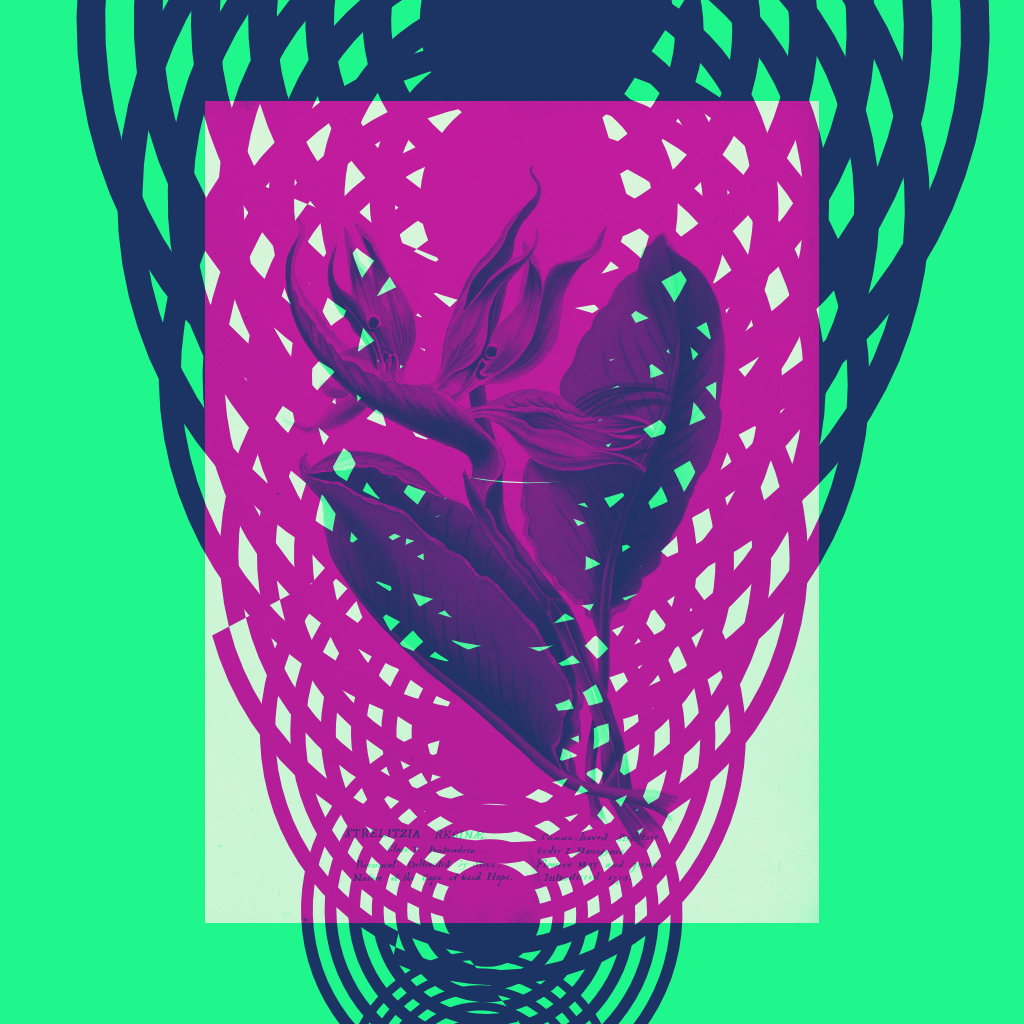
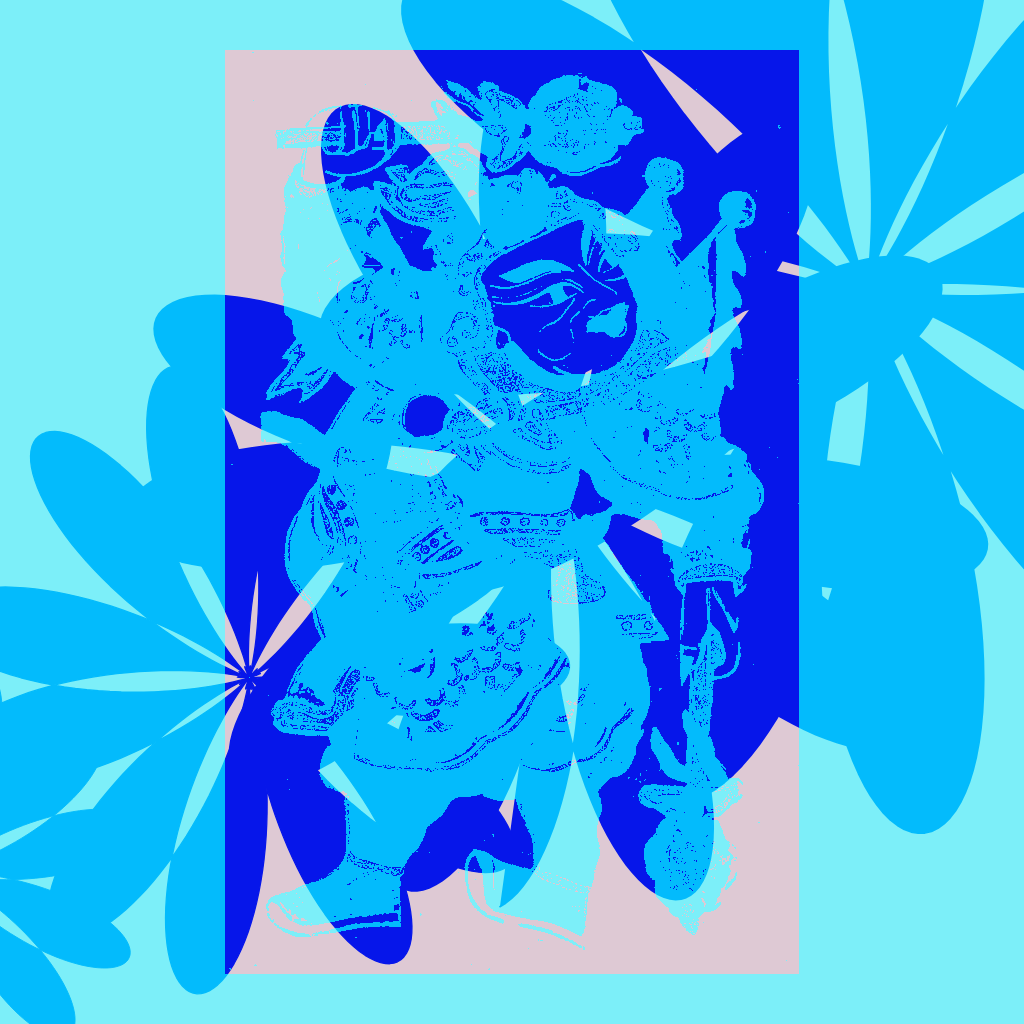
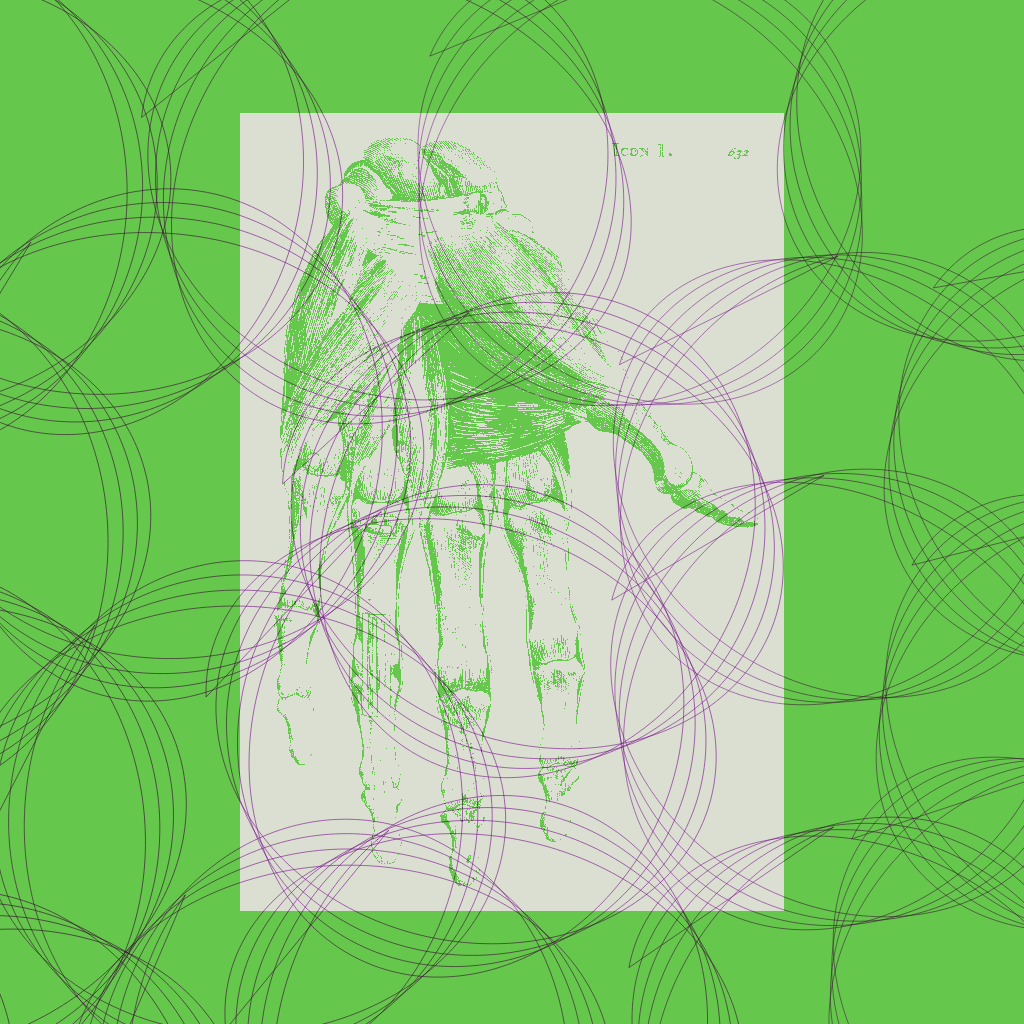
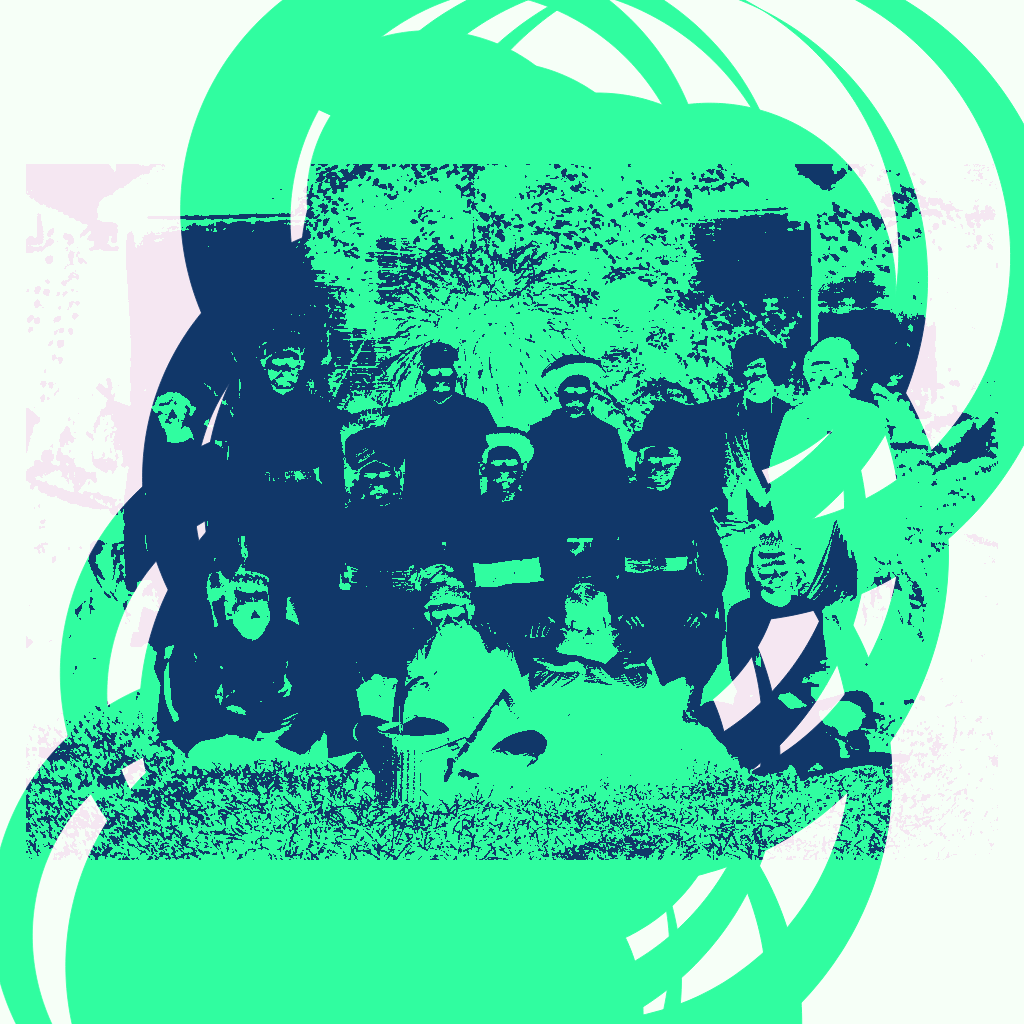
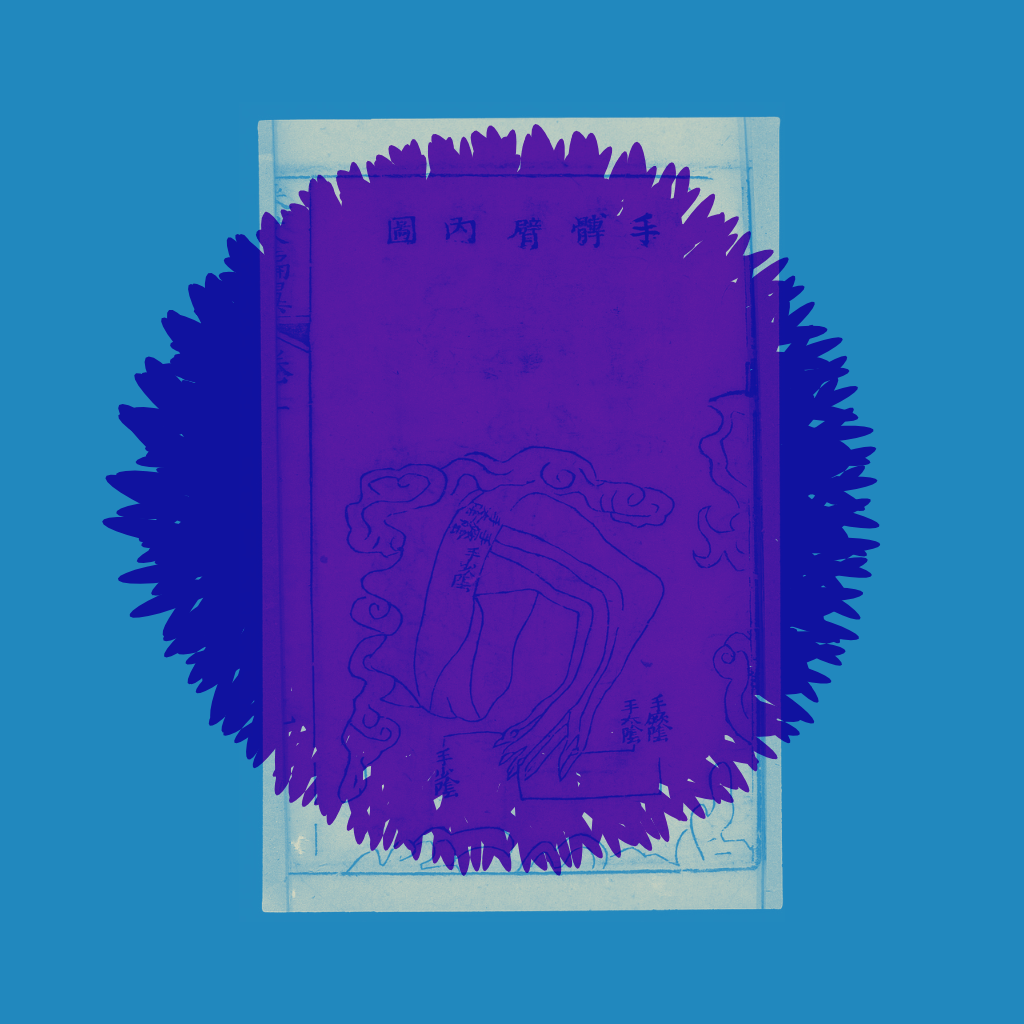
We built a custom version of photoshop that pulls from the Wellcome Gallery’s CC image-set to power the lasers of the dueling robots. The output is controllable by a search function. The program generated 1500 unique images in 30 seconds, which were then used as gobo textures on the lights within the robots for the laser sequence.
SOUND & SYSTEMS
Custom software tools were also developed for world-building and sound design. Motion-to-audio algorithms drove a bespoke FM synthesiser, enabling rapid creation of articulate, responsive sound that evolved alongside the visuals.
DIRECTION, CGI/AI & SOUND DESIGN BY RESEARCH ARTS
COMPOSITING BY CATHAL MCKEON
COLOUR GRADE BY NATHANIEL SKEELS